Applicable if the product is unused, unwrapped, and invoice is intact
Description
Includes
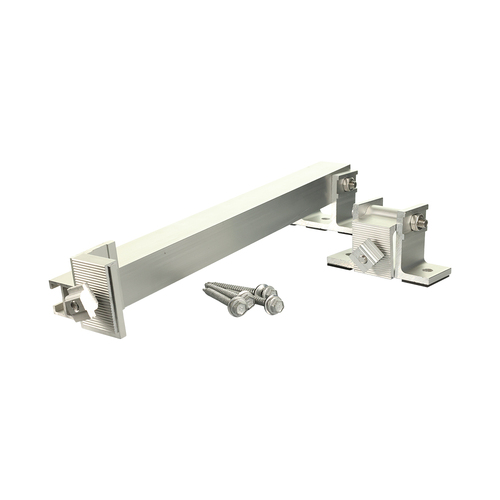
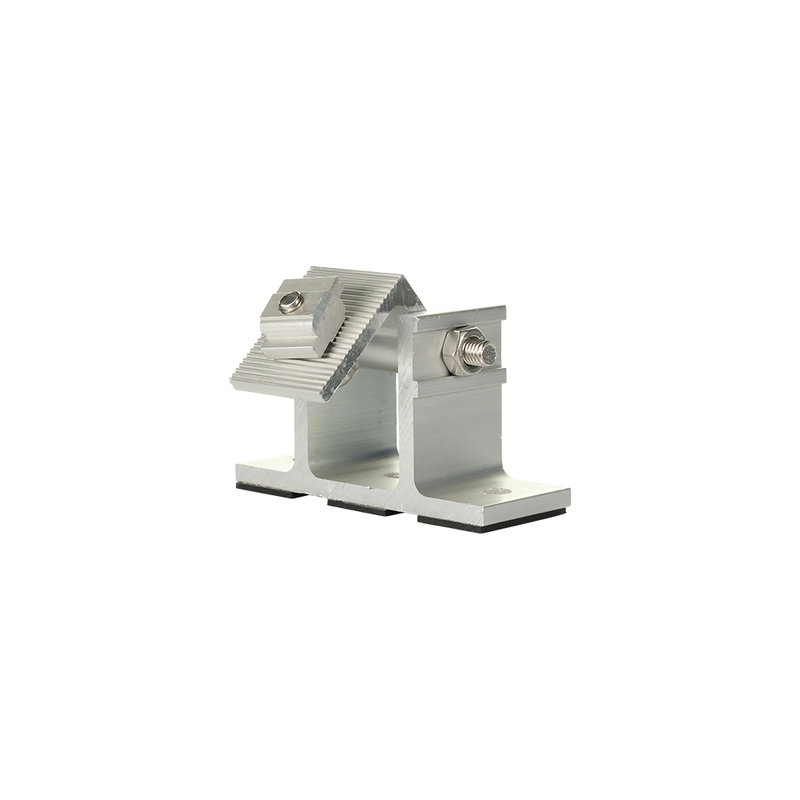
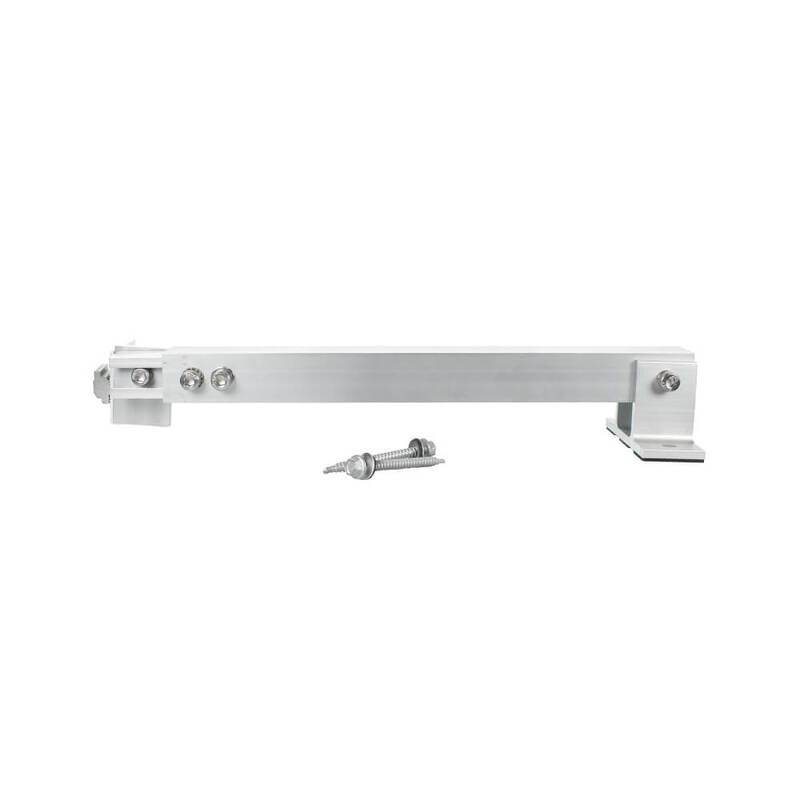
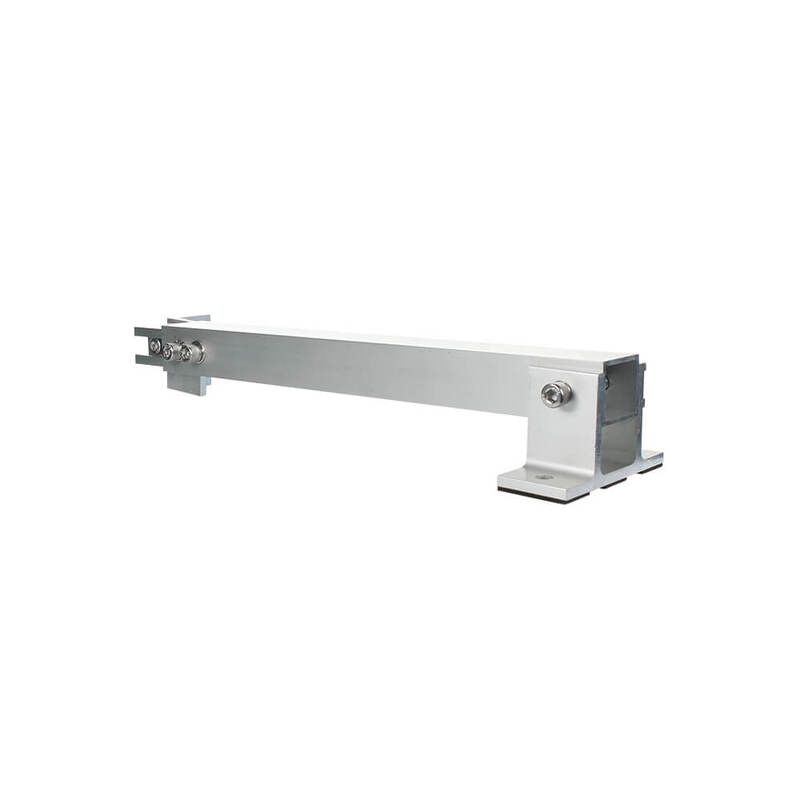
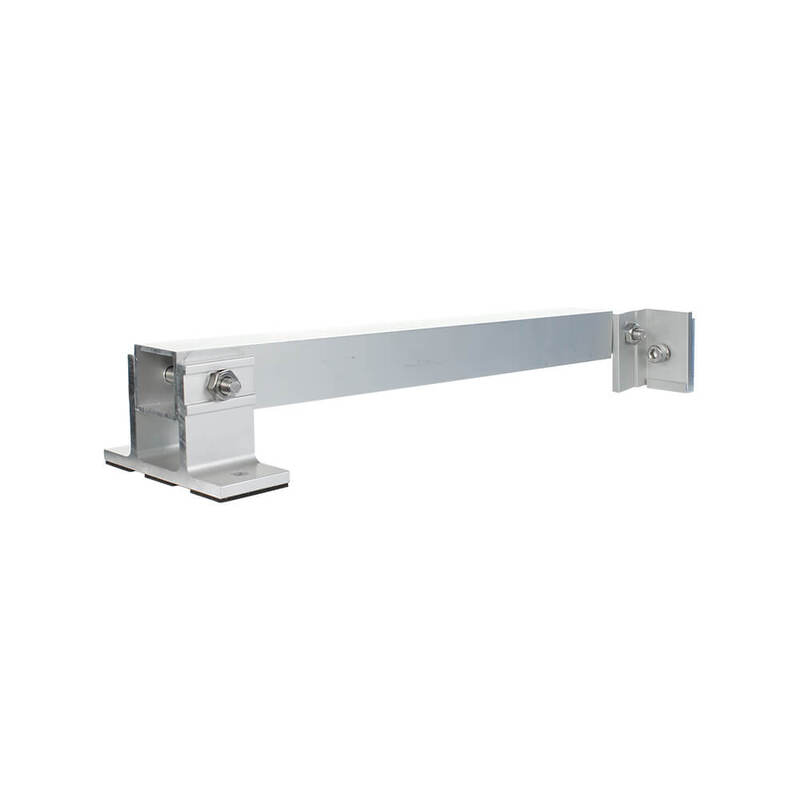
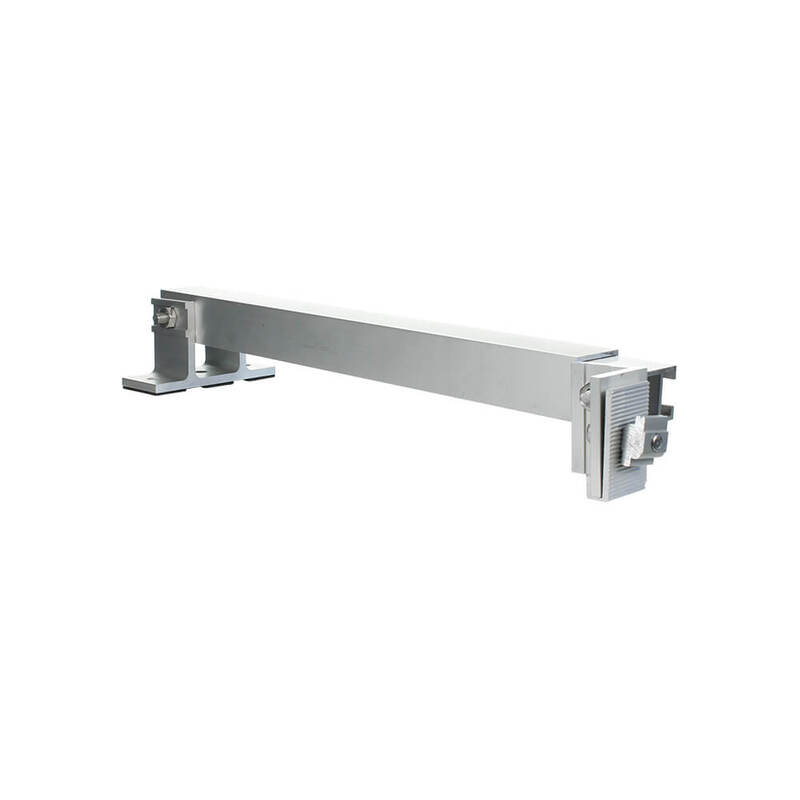
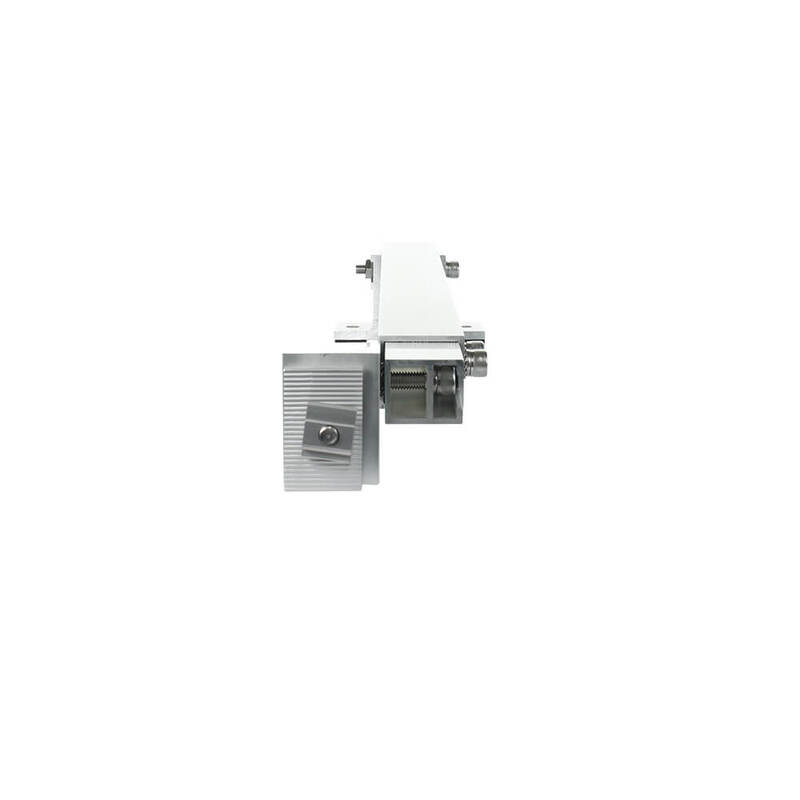
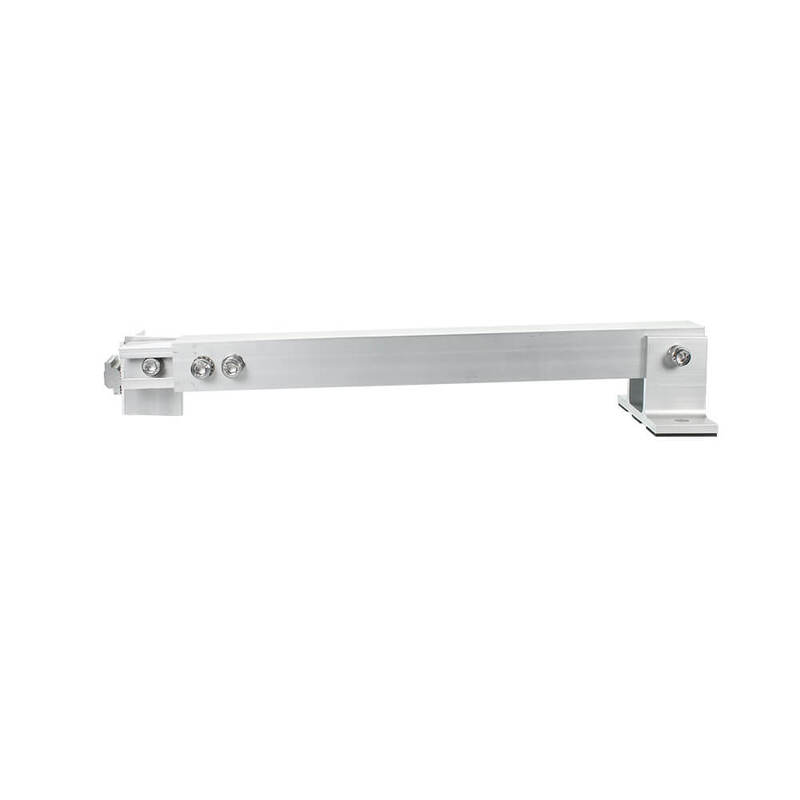
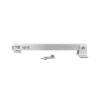
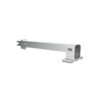
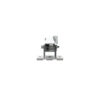
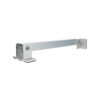
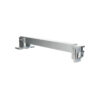
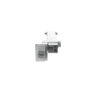
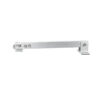
Front and Rear Mounting Legs | Channel Nuts | Roof Screws
Applications
To correct Solar Panel Angle for Optimum Solar Harvest – For Flat Roofs where a minimum of 10 Degrees is recommended for Passive Solar Panel Cleaning – Off-Grid Applications where the Winter Sun Angle is low.
Warranty
10 Years
Understanding Your Requirements
For Off-Grid applications, when selecting tilt angle required for our Solar Panels we need to take into account how our energy consumption varies throughout the year and also the sun angle at our latitude. If we were using our Air Conditioner only in the summer months for example, then in winter your energy consumption would be far less. A system tilted for summer months optimization (close to your latitude angle) would work quite effectively. Though if we were to use this same Air Conditioner in Reverse Cycle Mode as a heater regularly in the winter then our winter energy consumption would be similar to the summer consumption. Now because the sun angle is lower in the sky in winter with far less intensity, we would need to tilt our panels more than the local latitude angle to be able to get as much harvest as possible to create enough energy for the Reverse Cycle Air Conditioner. Generally speaking we could never match the summer performance though we will make a dramatic difference compared to if we were to keep the Solar Panels Angle at the local latitude angle. How much do we tilt our Solar Panels? If we are in an unshaded area facing North we would angle the system a further 10 to 15 Degrees more than the local latitude. With these higher angles we may loose a little harvest in the summer months though the compensation for the winter would far outweigh any losses from summer.